

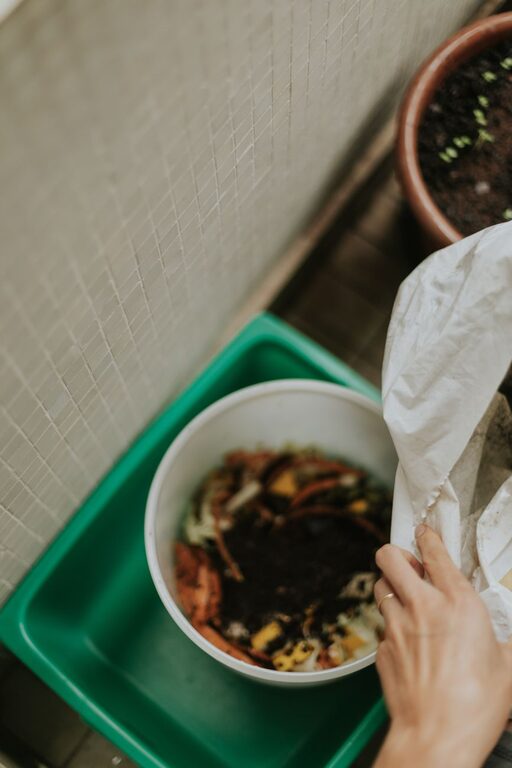
Reducing food waste at home is a simple yet powerful way to save money, conserve resources, and help protect the environment. Food waste is a common issue in many households, but with a few mindful habits and thoughtful strategies, you can significantly cut down on the amount of food that ends up in the trash. This post explores practical ways to reduce food waste at home, from smart shopping to creative leftovers.
Why Reducing Food Waste Matters
Before diving into strategies, it’s helpful to understand why reducing food waste is important. Food production uses valuable resources like water, land, and energy. When food is thrown away, these resources are wasted too. Additionally, food waste contributes to greenhouse gas emissions when it decomposes in landfills. By reducing waste, you’re helping to create a more sustainable food system and save money on groceries.
Plan Your Meals and Shopping Wisely
Make a Weekly Meal Plan
Planning meals ahead of time helps you buy only what you need. Take a few minutes each week to decide your meals and snacks. This reduces impulse purchases and prevents food from going unused.
Create an Organized Shopping List
Based on your meal plan, create a detailed shopping list. Organize it by sections of the store to make your trip efficient. Stick to the list to avoid buying extras that might go to waste.
Shop Smart
– Buy loose produce instead of pre-packaged if it allows you to get the exact amount.
– Choose items with longer shelf lives when possible.
– Check expiration dates and pick the freshest items.
– Consider frozen or canned options if fresh items spoil quickly in your home.
Store Food Properly
Proper storage can extend the life of your groceries and help prevent spoilage.
Understand Storage Needs
Different foods require different storage conditions. For example:
– Keep fruits like apples and pears separate from others because they emit gases that speed up ripening.
– Store leafy greens in a moisture-controlled drawer or with a paper towel to absorb excess moisture.
– Keep bread in a cool, dry place or freeze it for longer storage.
Use Clear Containers
Transfer leftovers and bulk items into clear, airtight containers. This helps you see what you have and keeps food fresh longer.
Keep Your Refrigerator Organized
Group similar items together and place newer items behind older ones. This “first in, first out” system ensures you use older products first.
Get Creative with Leftovers
Leftovers can be a delicious way to enjoy meals again without waste.
Repurpose Leftovers
– Turn roasted vegetables into soups or frittatas.
– Use stale bread for croutons or bread pudding.
– Mix leftover rice with eggs and veggies for fried rice.
Freeze for Later
Many leftovers freeze well. Label containers with dates and use them within a few months for best taste.
Share or Donate
If you have excess food that’s still safe to eat, consider sharing with neighbors or donating to local food banks, where applicable.
Use Up Food Scraps
Even scraps can be useful and reduce waste.
Composting
Composting food scraps like vegetable peels, coffee grounds, and eggshells turns waste into nutrient-rich soil for gardens.
Make Broths and Stocks
Save vegetable scraps, bones, and herbs to simmer and create homemade broths instead of buying pre-packaged ones.
Practice Portion Control
Serving the right amount of food can prevent plate waste.
– Serve smaller portions and offer second helpings if someone is still hungry.
– Encourage family members to take only what they can eat.
Monitor Expiration Dates Mindfully
Understand Date Labels
“Best by” and “Use by” dates indicate quality rather than safety in many cases. Use your senses to check if food is still good.
Rotate Pantry Items
Place new items behind older ones when stocking your pantry to use older products first.
Final Thoughts
Reducing food waste at home is achievable through thoughtful planning, smart shopping, proper storage, and creative cooking. By adopting these habits, you’ll save money, reduce environmental impact, and enjoy a more sustainable kitchen. Start small—every bit of effort counts toward a waste-free home!
—
By making these changes, you contribute to healthier habits for yourself and the planet. Give these tips a try and see how much food you can save!