

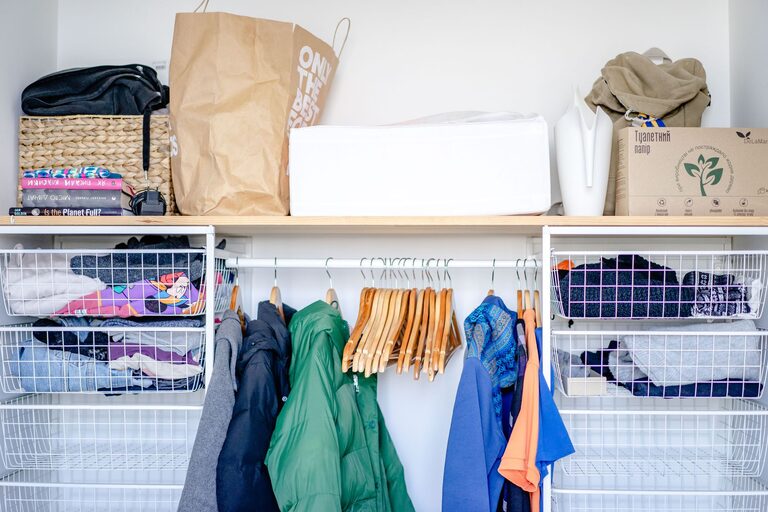
Storing seasonal clothes efficiently can save you time, space, and stress. When the weather changes, switching out your wardrobe is a great opportunity to organize your clothing and keep everything in good condition. Whether you’re packing away winter coats or summer dresses, following a smart system will help your clothes last longer and make your closet feel clutter-free.
In this post, we’ll go over simple and practical steps to store your seasonal clothes efficiently. These tips include preparation, choosing the right storage solutions, and how to maintain your clothes while they’re tucked away.
Why Proper Storage Matters
Before diving into storage techniques, it’s important to understand why proper storage matters:
– Preserves Fabric and Shape: Storing clothes correctly prevents stretching, fading, and damage.
– Prevents Pests and Mildew: Properly cleaned and stored garments avoid attracting insects and mold.
– Saves Space: Organized storage maximizes your closet and storage areas.
– Makes Access Easy: Knowing where everything is makes seasonal swaps quick and painless.
Step 1: Sort and Declutter Your Wardrobe
Before packing away clothes, go through your items carefully:
– Try On or Inspect: Determine what fits, what you want to keep, and what you no longer wear.
– Donate or Sell: Pass on clothes in good condition but no longer needed.
– Repair or Clean: Fix minor damages and wash garments as needed to avoid stains setting in storage.
Taking time to declutter reduces volume and makes storage more manageable.
Step 2: Clean Clothes Thoroughly
Never store dirty or worn clothes. Dirt, oils, and sweat can cause stains to become permanent and attract pests.
– Wash or Dry Clean: Follow care labels to clean clothes appropriately.
– Fully Dry: Make sure everything is completely dry before storing to prevent mildew.
– Spot-Treat Stains: Use stain removers on visible spots.
Properly clean clothes will stay fresh during storage.
Step 3: Choose the Right Storage Containers
Picking the right containers depends on your space, budget, and types of garments:
Types of Storage Options
– Plastic Bins with Lids: Ideal for protecting clothes from dust, insects, and moisture.
– Vacuum-Sealed Bags: Save a lot of space by compressing bulky items like sweaters or coats.
– Fabric Storage Bags: Breathable and great for delicate fabrics but less protective against pests.
– Garment Bags: Perfect for hanging delicate or structured items to preserve shape.
– Storage Drawers or Under-Bed Boxes: Convenient if you have limited closet space.
Tips for Choosing Containers
– Look for containers that seal well but allow some airflow if storing natural fibers.
– Avoid cardboard boxes if possible; they attract pests and absorb moisture.
– Label containers clearly to identify contents at a glance.
Step 4: Folding and Packing Techniques
How you fold and pack clothes affects how well they stay in shape and how much space they take.
Folding Tips
– Fold heavy sweaters and knits loosely to avoid stretching.
– Roll t-shirts and casual clothes to save space and reduce wrinkles.
– Stack similar items together for easy access.
Packing Tips
– Place heavier items at the bottom of bins.
– Fill gaps with smaller items like scarves or socks.
– Use acid-free tissue paper between delicate layers to prevent creases and color transfer.
Step 5: Store Clothes in a Suitable Location
Where you store your clothes is just as important as how you store them.
– Cool, Dry, and Dark Places: Avoid attics, basements, or garages prone to temperature swings and humidity.
– Elevate off the Floor: Use shelves or pallets to keep storage off damp floors.
– Avoid Direct Sunlight: UV rays can fade fabrics over time.
– Ventilation: Good airflow helps prevent mustiness but avoid places with high humidity.
If your storage space fluctuates in temperature and moisture, consider using desiccants like silica gel packs to keep things dry.
Step 6: Maintain Clothes During Storage
Even while clothes are stored, some attention helps keep them fresh.
– Check Periodically: Inspect stored clothes every few months for signs of moisture or pests.
– Air Out Occasionally: Rotate bins or take clothes out to air if possible.
– Use Natural Repellents: Cedar blocks, lavender sachets, or rosemary bags deter moths without harsh chemicals.
Bonus Tips for Efficient Seasonal Clothing Storage
– Create a Seasonal Inventory: Keep a list or photos of what’s in storage to avoid buying duplicates.
– Use Clear Containers: Seeing contents easily saves time looking for specific items.
– Keep Everyday Accessories Separate: Store items like gloves, hats, or swimsuits in their own labeled containers.
– Plan Storage Near Your Closet: Having storage nearby makes swapping seasons easier.
—
Storing seasonal clothes efficiently helps maintain an organized home and keeps your wardrobe looking its best year-round. By sorting, cleaning, choosing the right containers, and storing clothes thoughtfully, you’ll enjoy a clutter-free closet and a smooth transition each season.
Happy organizing!